

Water,
made living.
Hydrogen nanobubble drinking water, drawn from groundwater in Sunchang, Jeonbuk-do, and refined through the pores of pine.
The source
It starts in the mountains.
Sunchang, Jeonbuk-do, Republic of Korea. Rain into pine forest, pine forest into rock.
Groundwater
Then it goes under.
Down through granite, into bedrock 300 m above sea level. That is where it is drawn from.
The pine
Then it is pushed
through a tree.
Hydrogen infused under pressure, then the whole of it forced through fresh pine sapwood — through the tracheids and pit membranes of the tree’s own xylem. A natural structure, not a manufactured filter.
- Pressure
- 0.4 MPa
- Pore size
- 100–500 nm
What you cannot see
Bubbles finer
than light.
Ultra-fine hydrogen nanobubbles: invisible, stable, measured in nanometres. You will not taste them. That is the point — it tastes like water, because it is water.
- Size
- <100 nm
- Count
- 200M+ per ml
Sealed
One water, made as
well as we know how.
- Volume
- 500 ml
- Dissolved hydrogen
- 400–1,800 ppb
- pH
- 7.0–7.5
How it is made
Six stages, and
the fourth is a tree.
Most bottled water is filtered and sold. This one is taken from groundwater, charged with hydrogen under pressure, and then pushed through the inside of a pine — the one stage that has no industrial substitute.
-
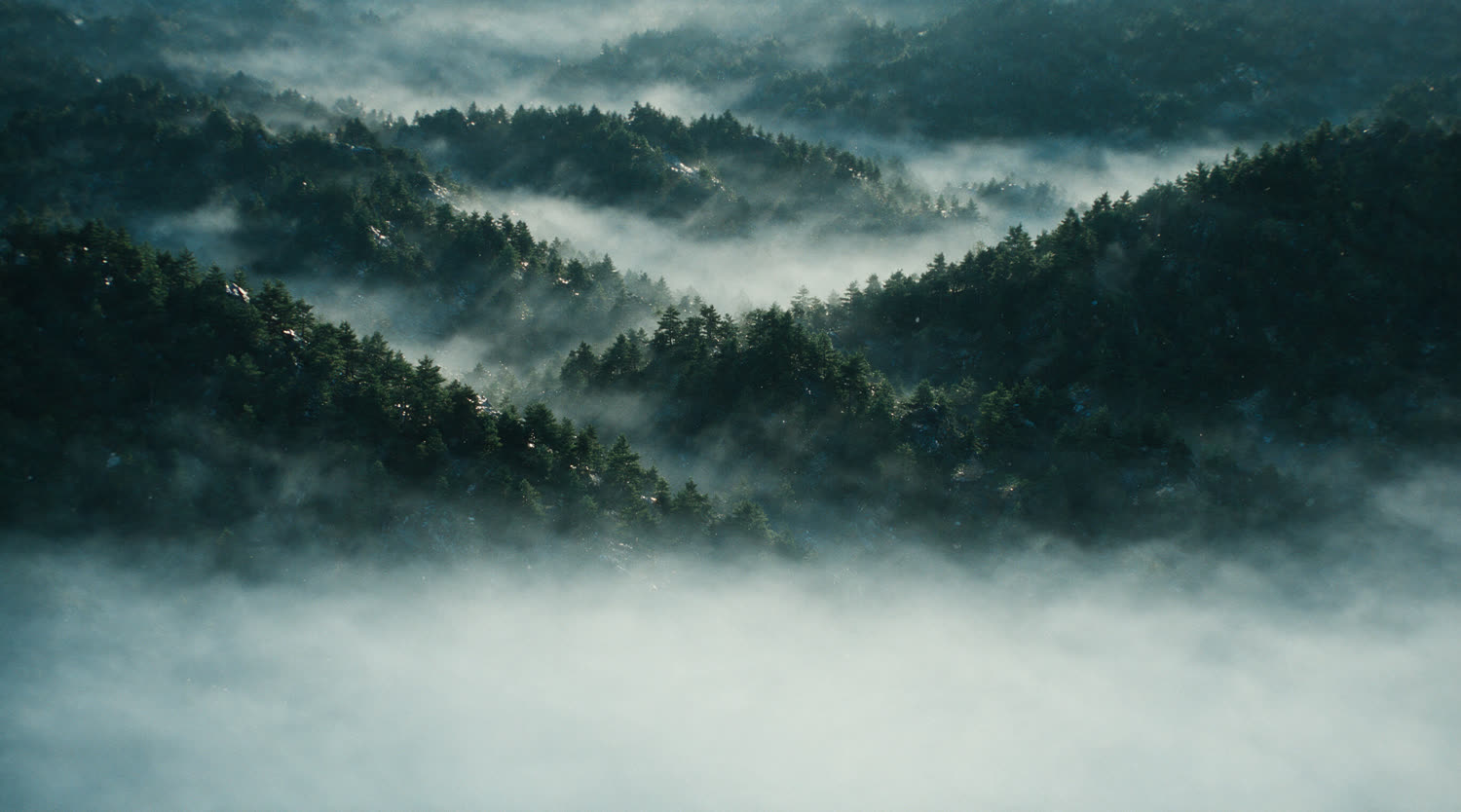
01
Groundwater
Drawn from groundwater in Sunchang, Jeonbuk-do, Republic of Korea. Rain into pine forest, forest into rock, rock into water.
-
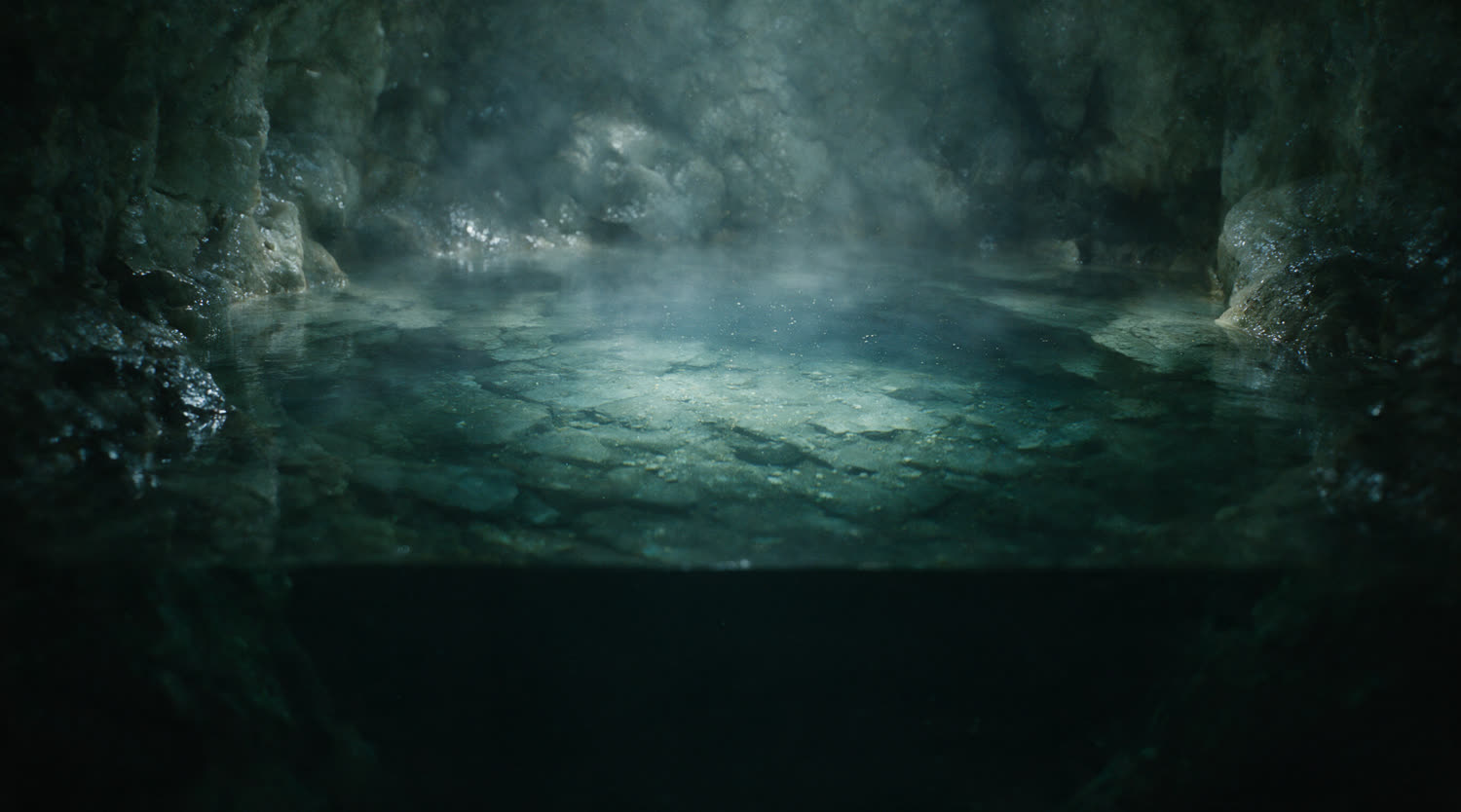
02
Tested at source
It is drawn from bedrock 300 m above sea level, and an accredited lab tests the source every six months.
-
03
Hydrogen, under pressure
Hydrogen is infused into the water under pressure. Pressure is what gets it in; the next stage is what keeps it there.
- Pressure
- 0.4 MPa
-
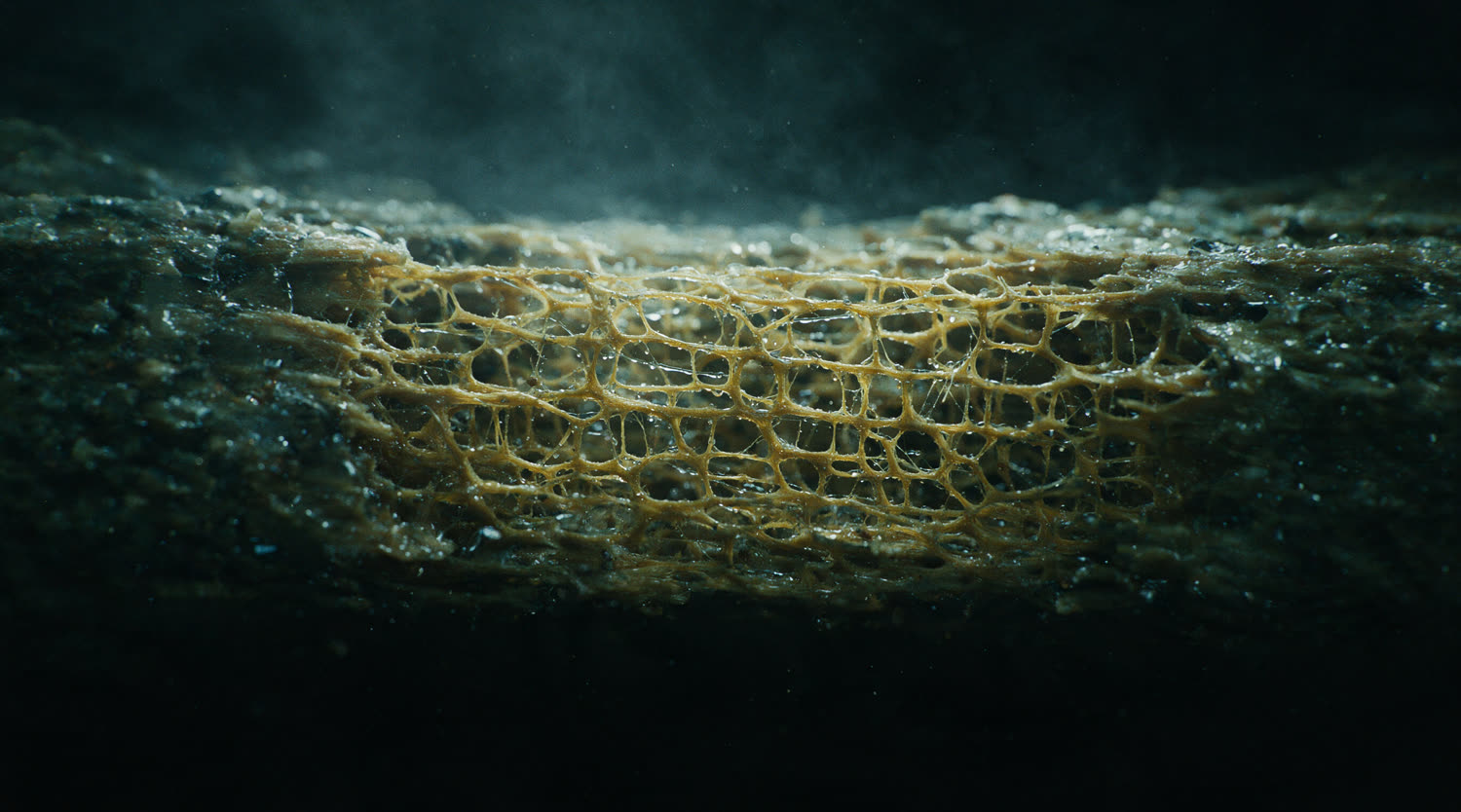
04
Through the pine
The whole of it is forced through fresh pine sapwood — the tracheids and pit membranes of the tree's own xylem. Not a manufactured membrane but a natural one, with a pore structure fine enough to break the gas into bubbles small enough to stay.
Nanobubble water was first developed in Japan; ours is made with a newer method built on that work.
- Pore size
- 100–500 nm
-
Move across the water. 05
Nanobubbles
Ordinary bubbles rise and burst at the surface. These are under 100 nm, too small to float, and there are over 200 million in every millilitre. They stay suspended in a sealed pouch until you open it.
- Size
- <100 nm
-
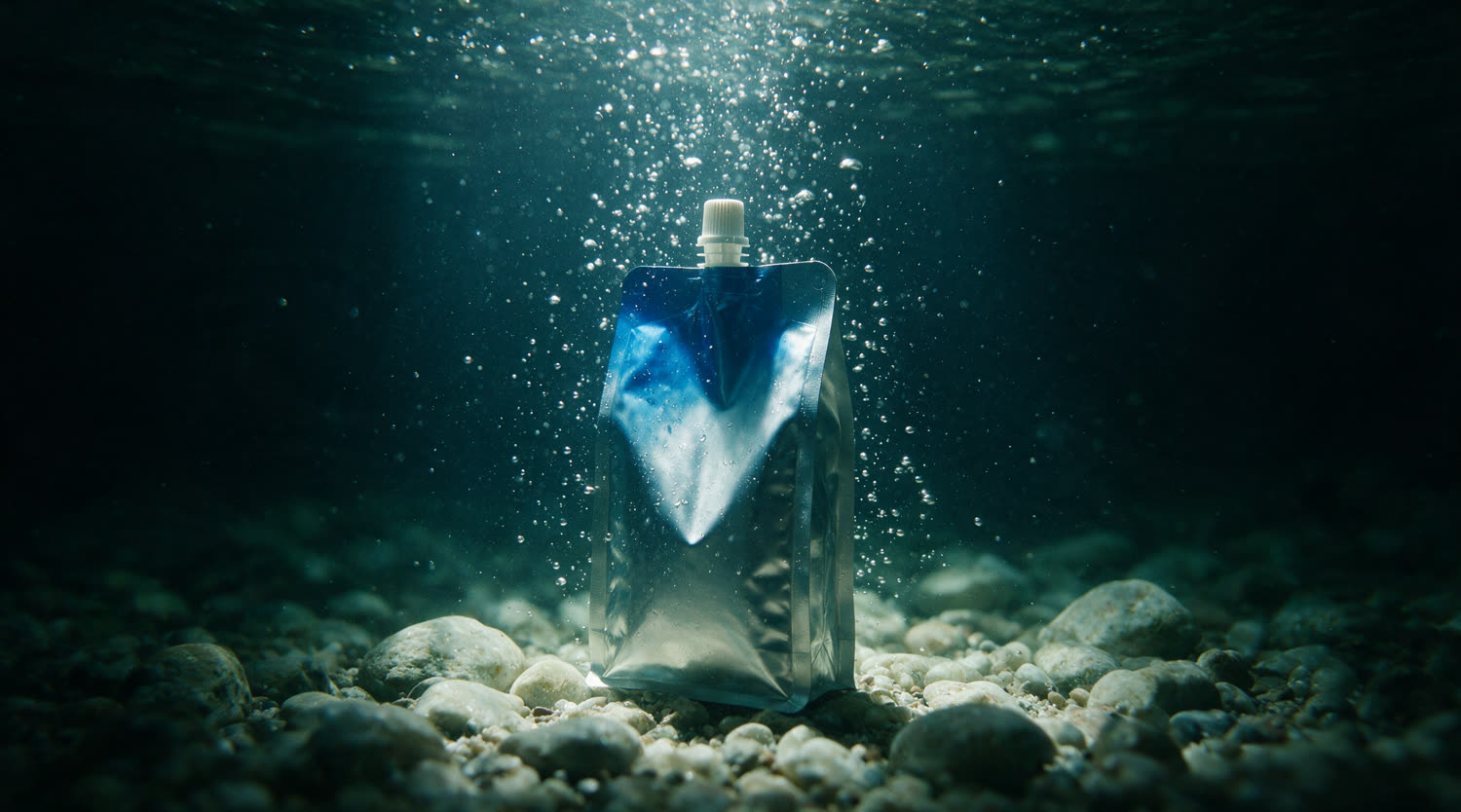
06
Sealed
Into a 500 ml high-barrier pouch, closed so the bubbles stay where they were put. No devices, no prep, nothing to charge or clean.
Hydrogen, held in bubbles finer than light, refined through the pores of pine.
Yolanda Global Wellness

The pouch
Hydrogen Nano Water.
500 ml.
Flat when it is empty, so it goes in a bag and comes home again.
- Volume
- 500 ml
- Dissolved hydrogen
- 400–1,800 ppb
- pH
- 7.0–7.5
- Source
- Sunchang, Jeonbuk-do, Republic of Korea
Why we started
We never drank
enough water.
Water is where we start.
For business
By the case, on a schedule.
Nano Water for offices, hotels, restaurants, spas and events across Singapore. Office sampling can be arranged before you commit.
Be first to try it.
We sell only what we use ourselves, so there is not much of it yet.
Yolanda Global Wellness Pte. Ltd., Singapore. Hydrogen nanobubble drinking water, 500 ml.